
Book Review: Simple Chess by Michael Stean

They say that chess players typically only need one strategy book for improvement. If you are going to only pick one then — and you are a player on the rise trying to travel from novice into the intermediate level Simple Chess by Michael Stean is a potentially the way to go. More about this in the review. I read this book earlier in the year. It is small and compact and will cover many of the topics newer players need for diving into the strategy realm of chess. This book will be an introduction into chess strategy for those with mainly a basic understanding of how the pieces move but, are looking for the next step. And of course maybe need a break from tactics training. We all love those tactics don’t we?
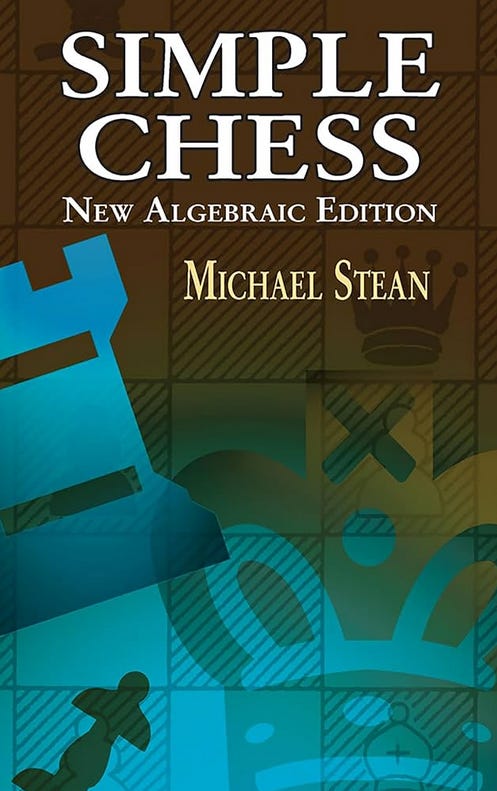
This book can be found on Amazon here for a nominal price. You really cannot go wrong with a price like that for a chess book honestly.
Stean expertly introduces the player to strategy concepts in an easy to grasp method by isolating the each of the fundamentals and key ideas in each lesson. Lessons of which are chapters. The chapters are laid out as thus:
Introduction
Outposts
Weak Pawns
Open Files
Half-Open Files
Black Squares and White Squares
Space
As you can see from the names of the chapter titles they are quite self-explanatory. These are the basics of chess strategy. We have all been looking at a position on a chess board and asking ourselves what are the best moves here? Stean tries to help the player navigate how to come to find these or how to come up with longer term plans and considerations within chess positions. Now I am not going to dive too deep into all of the details of each chapter as the book is the best resource for that; however, I will touch on a number of things from the book within handpicked chapters and as you can see there are only seven. The book itself is quite small and condensed. It is not a massive tomb of chess literature to consume over months and months. This is an easily digestible bite of chess information for the Improver. At only 160 pages — each page giving exactly what the reader needs, the Improver will find extreme value from a book such as this. Level depending of course.
Introduction
Stean talks about exactly what the book will provide for you with a Botvinnik game as an example. White to move. How would you go about this position? (Hint: it is covered in chapter 7)
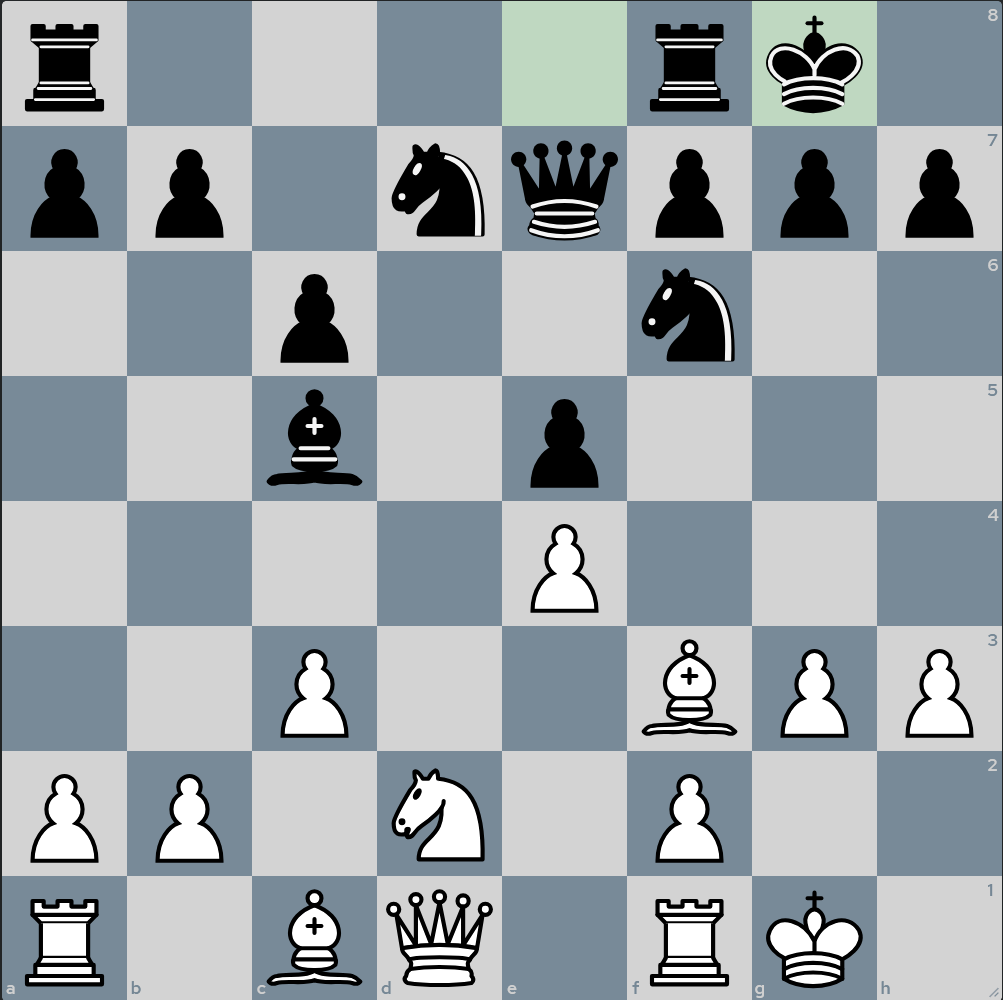
Answer below.
Outposts
In a game from Benko - Najdorf, Los Angeles 1963 Stean discusses the importance of outposts. For the uninitiated what is an outpost you might ask? As Stean describes “As the name suggests, an outpost is a square at the forefront of your position which you can readily support and from where you can control or contest squares in the heart of the enemy camp.” Honestly I could not have described this any better. Can you identify any squares that might fit that description here in this position?
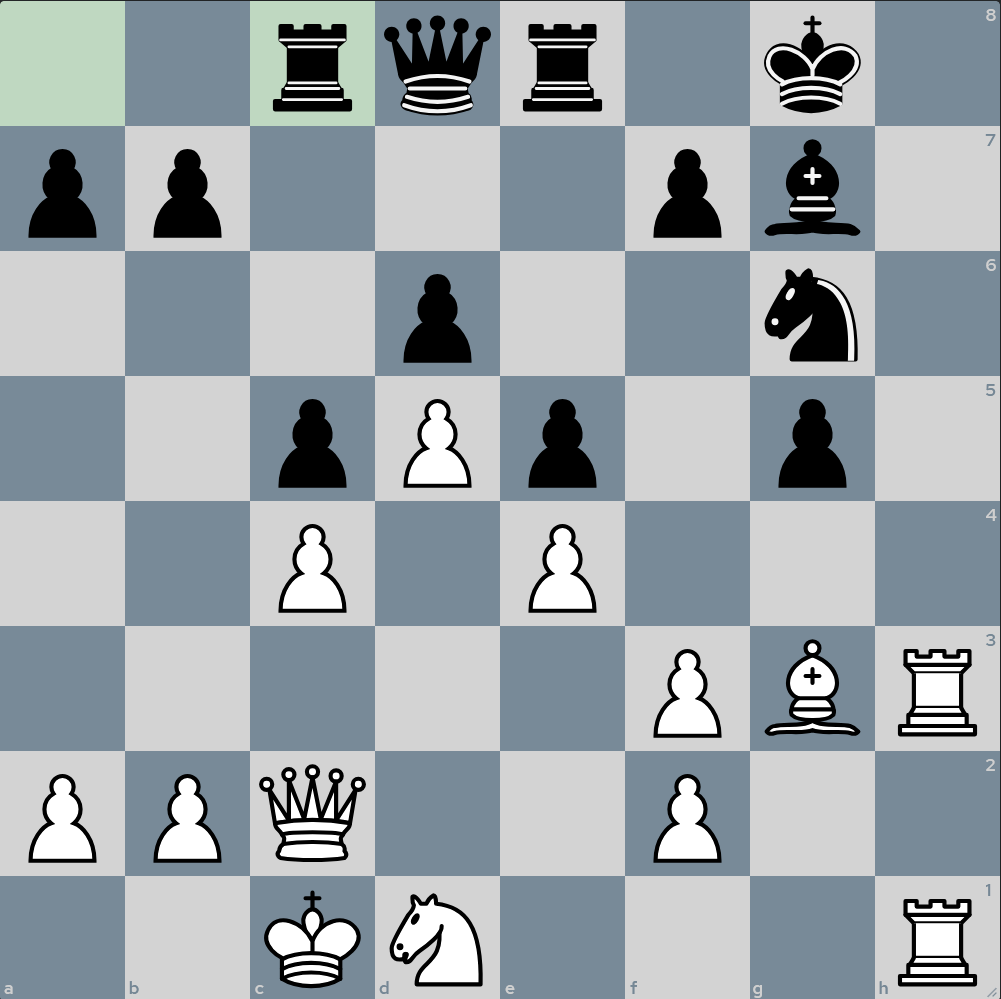
Answer below.
Weak Pawns
Weak pawns are typically described as a pawn that cannot be protected by another pawn and comes in various forms. In this game — Spassky - Fischer 5th Match Game Reykjavik we see multiple forms. They can come in the form if backward pawns or isolated pawns. A backward pawn is a pawn that has no pawns behind it to help protect it or to help create a pawn chain. An isolated pawn is a pawn in which has no pawns on either side of it at all hence, isolated. I find this one remarkably interesting of a position. Fischer takes on some difficult weak pawns in the position — which for many would indicate deep issues but, what is interesting in this position is, they all work in his favor. So keep that in mind. Weak pawns can not only be a problem but, could also be used as a positive. It all is determinant on the position. Can you find weak pawns in this position?
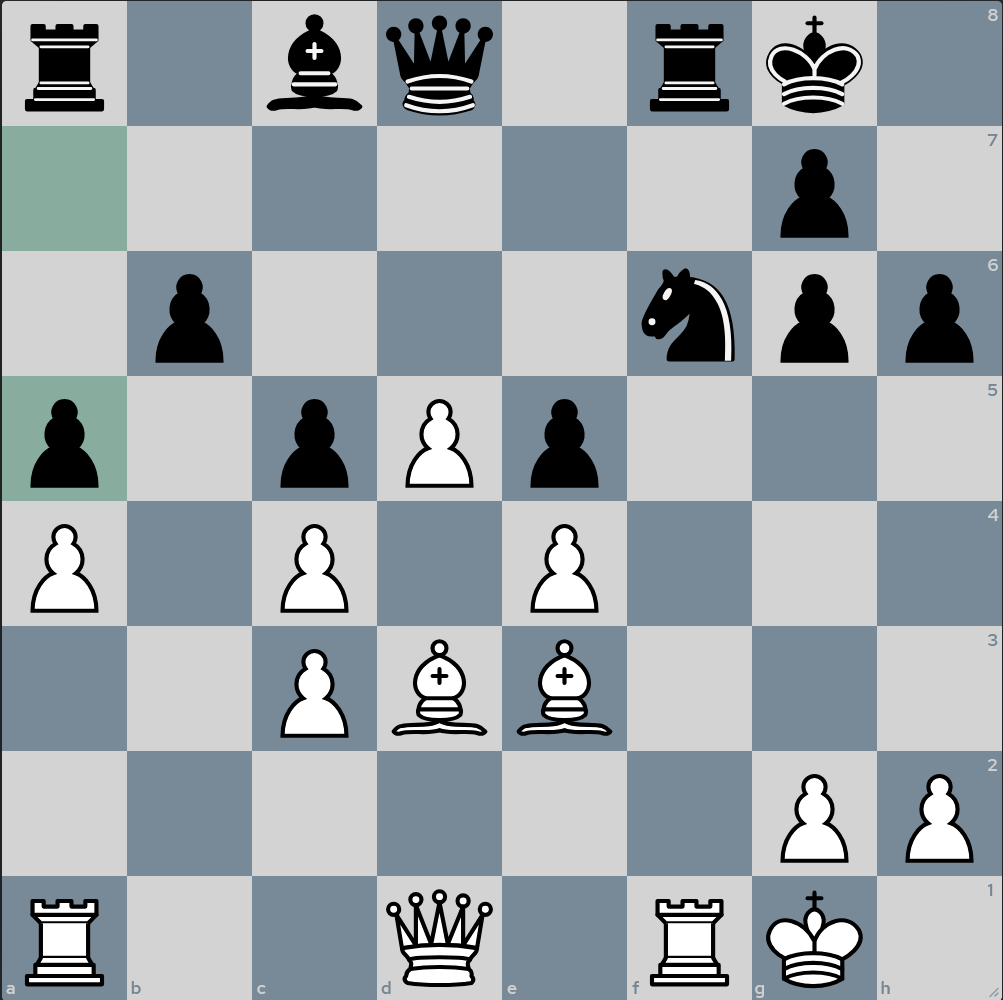
Answers below.
Open Files
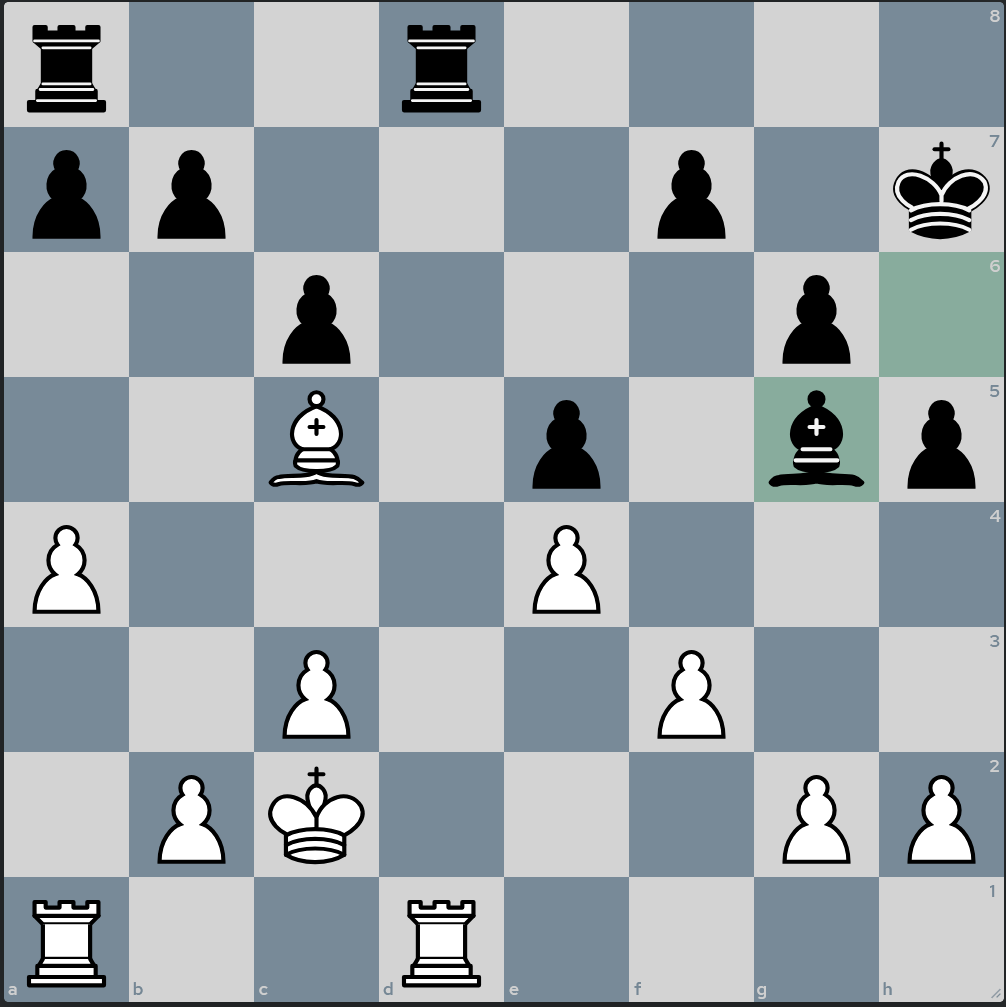
A question you might hear often is where do rooks belong? On open files. They love long range sight without impedance from other pieces. They are like long distance runners on open roads or forest trails. In this position looks like white and black both have rooks on an open file but who is winning here if at all?
Answer below.
Review
In terms of a strategy book in the great sea and collection of all chess strategy books overall my impression of this book is a good one. It was not my first strategy book I ever read on the subject. That podium spot goes to Jeremy Silman’s Amateur’s Mind back when I was in my early 20s. That dates me a little bit I know. I do wish Michael Stean’s Simple Chess was presented to me back then. I feel it could have been more helpful and simplistic for understanding in my chess development. He is able to touch on the ideas and give you a nice framework and introduction into chess strategy where as Silman has a tendency to really beat you over the head with examples. I think this can be good and bad for readers and Improvers depending on what type of learner you are. Where it lands on the grand scale of chess books for me is tough to say and a bit double sided. I may have to talk out both sides of my mouth here unfortunately.
Being an intermediate level player (1800 USCF) at the time of the reading of this book myself — I found it rather elementary, especially if you have a deeper understanding of these concepts from other material in the past with works such as Amateur’s Mind or How to Reassess Your Chess also by Silman which are both arguably the most popular. For the beginner and novice chess player though this is a spectacular book. Rating range wise I would put this into the very beginner levels around 750 to 1500 perhaps at the very highest. If you have not read any strategy books this is a great book to dip your toes into the pool with. It does not slam you with tons of knowledge but, it is also very clear and concise with its message. If you are over 1200-1300 range or have read other strategy books I would honestly skip it and not waste your time. This book in my opinion is for the uninitiated. It offers those with limited knowledge of strategy a way into the pool without diving straight into the deep end, a splash pad if you will. I have seen many — even those my level or above clamor as to how amazing this book is however for me, personally, it simply is not there. Perspective wise though, for those without knowledge it would be a solid fit. Easily digestible but, provides the abridged version of what a player might need in terms of chess strategy. It would be like your eggs in the morning. Not a favorite meal but, it does get you going to start the day. Same with chess strategy. It would get you started if you have little to no understanding of such concepts.
Be curious dear reader. Be curious!
Nick
Answers
Introduction: 1.b4 gaining space and kicking the dark squared bishop back.
Outposts: White: f5 - Ne3 with Nf5 to follow. Black: d4 and f4.
Weak Pawns: White - a4, c3, c4, e4 — Black - b6, e5.
Open Files: White is winning.